Introduction
When it comes to weight management and overall health, most people focus on diet and exercise. But there's another powerful tool that often gets overlooked: foods that increase calorie burning. Your body actually burns calories just by digesting, absorbing, and processing the food you eat—a process known as the thermic effect of food. By choosing certain foods strategically, you can boost this natural calorie-burning process and support your metabolic health. For adults over 40, whose metabolism naturally slows with age, understanding which foods maximize this effect can be particularly valuable. This article explores the science behind thermogenesis and identifies the specific foods that can help you burn more calories throughout the day.
Understanding Thermogenesis and Metabolic Rate
Thermogenesis is the production of heat in your body, and it accounts for a significant portion of your daily energy expenditure. In fact, the thermic effect of food—sometimes called diet-induced thermogenesis or postprandial thermogenesis—can account for 10 to 30 percent of your total daily calorie burn, depending on what you eat.
As we age, our resting metabolic rate naturally declines by approximately 3 to 8 percent per decade after age 30, according to research published in the American Journal of Clinical Nutrition. This slowdown occurs due to decreased muscle mass, hormonal changes, and reduced cellular efficiency. The good news is that certain foods require more energy to digest and metabolize than others, creating a temporary boost in calorie expenditure. Different macronutrients have different thermic effects: protein has the highest thermic effect at 20 to 30 percent, carbohydrates have a moderate effect at 5 to 10 percent, and fat has the lowest at 0 to 3 percent. This is why eating more protein-rich foods that increase calorie burning can be a practical strategy for supporting weight management and metabolic health in midlife and beyond.
Beyond just digestion, certain nutrients can activate brown adipose tissue (brown fat), which burns calories to generate heat. A 2019 study in Nutrients journal found that specific compounds in foods like green tea and chili peppers can stimulate this metabolic activation, offering another mechanism through which strategic food choices support calorie expenditure.
Signs Your Metabolism May Need Support
As adults age, several physical and behavioral signs may indicate that metabolic support would be beneficial. One of the most common signs is gradual weight gain despite maintaining relatively stable eating and exercise habits. Many people over 40 report that weight seems to accumulate more easily around the midsection, even without significant dietary changes. You might also notice that your energy levels fluctuate throughout the day, particularly after meals, or that you feel less satisfied by your usual portion sizes.
Other signs include difficulty losing weight even with increased exercise, persistent hunger, cravings for sugar and refined carbohydrates, and a general sense of sluggishness or reduced vitality. Sleep quality often plays a role too—poor sleep has been shown to reduce metabolic rate and increase hunger hormones, creating a difficult cycle. Additionally, if you find yourself feeling cold more often or experiencing temperature regulation difficulties, this can indicate a slower metabolism since thermogenesis contributes to maintaining body temperature.
Some adults also notice changes in digestion and gut health, which directly impacts how efficiently your body processes food and extracts nutrients. If you've been sedentary for an extended period or have experienced significant stress, these factors can further depress metabolic function. It's worth noting that hormonal changes—particularly in women approaching or in menopause—significantly affect metabolic rate and thermogenesis. If you're experiencing several of these signs, incorporating more foods that increase calorie burning into your diet may help support your body's natural energy expenditure and overall metabolic function.
Impact on Daily Life and Long-Term Health
A slower metabolism and reduced thermogenesis can have surprisingly broad impacts on your daily life and long-term health outcomes. Beyond the obvious concern of weight gain, metabolic slowdown affects energy availability. When your body isn't efficiently converting food into usable energy, you may feel fatigued even after adequate sleep, making it harder to stay active, maintain motivation, and engage in the exercise that would otherwise support metabolic health.
This creates a challenging cycle: lower metabolism leads to reduced energy, which leads to less physical activity, which further slows metabolism. Over time, this can significantly impact your quality of life, affecting everything from productivity at work to your ability to keep up with family activities or hobbies you enjoy.
From a health perspective, metabolic dysfunction is linked to increased risk of type 2 diabetes, cardiovascular disease, and metabolic syndrome—a cluster of conditions that become increasingly common in middle age. A slower metabolism also means your body is less efficient at regulating blood sugar levels and managing inflammation, both critical factors in long-term disease prevention. Additionally, reduced metabolic rate can impact hormonal balance, affecting mood, sleep quality, and even bone density. By taking strategic steps to support thermogenesis through dietary choices and lifestyle factors, you're not just addressing weight management—you're supporting your overall metabolic health, energy levels, and disease prevention efforts.
Natural Food-Based Approaches to Boost Thermogenesis
The most direct and sustainable way to support thermogenesis is through intentional food choices. Unlike restrictive dieting, which often backfires, focusing on foods that naturally increase calorie burning allows you to eat satisfying portions while supporting your metabolic goals.
Protein-rich foods are the gold standard for thermogenesis support. When you eat protein, your body uses significantly more energy to digest, absorb, and process it compared to carbohydrates or fats. Lean meats, fish, eggs, Greek yogurt, legumes, and cottage cheese are excellent choices. A 2015 study in the Journal of Nutrition found that high-protein meals increased postprandial thermogenesis by up to 30 percent compared to lower-protein alternatives.
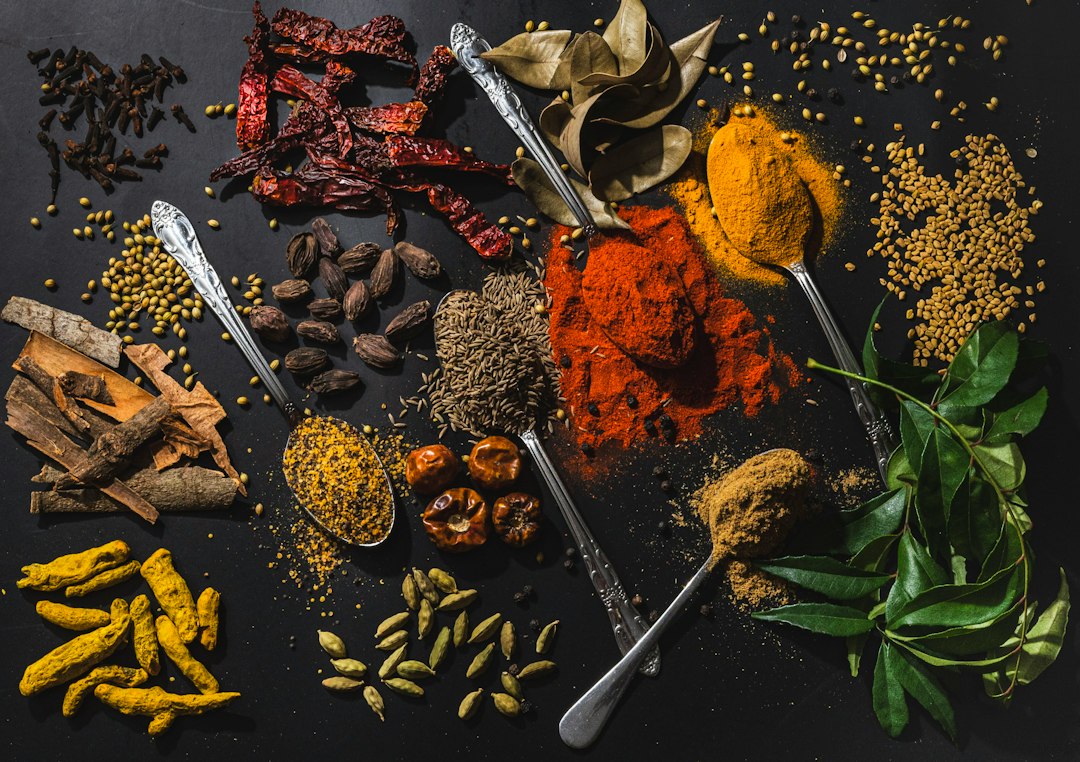
Spicy foods containing capsaicin—the compound that gives chili peppers their heat—can temporarily increase metabolic rate. Research published in Chemical Senses demonstrated that capsaicin activates specific receptors that enhance calorie expenditure. Incorporating hot peppers, cayenne, or jalapeños into your meals is a simple strategy.
Green tea and coffee contain caffeine and catechins, compounds that have been shown to modestly increase thermogenesis. A meta-analysis in the American Journal of Clinical Nutrition found that green tea consumption was associated with increased fat oxidation and thermogenesis.
Whole grains require more digestive effort than refined carbohydrates, supporting a higher thermic effect. Oats, brown rice, quinoa, and whole wheat offer sustained energy and better metabolic support. Finally, don't overlook the importance of hydration—cold water actually requires your body to expend energy to warm it to body temperature, a process called thermogenesis.
Key Nutrients That Support Metabolic Function
Beyond whole foods, certain specific nutrients play crucial roles in supporting thermogenesis and metabolic efficiency. Understanding these can help you make more targeted food choices or recognize nutritional gaps in your current diet.
B vitamins, particularly B6, B12, and folate, are essential for converting food into energy and supporting mitochondrial function—the power centers of your cells. Many adults over 40 show suboptimal B vitamin status, which can contribute to metabolic slowdown. Good sources include salmon, chicken, leafy greens, and legumes.
Iron is critical for oxygen transport and energy production. Without adequate iron, your mitochondria cannot function efficiently, reducing your capacity for calorie burning. Red meat, spinach, and legumes are iron-rich options.
Magnesium is involved in over 300 metabolic reactions in your body, including muscle function and energy production. Nuts, seeds, dark leafy greens, and whole grains provide bioavailable magnesium.
Iodine supports thyroid function, which directly regulates metabolic rate. Seaweed, fish, and dairy products contain iodine, though many people benefit from consistent dietary sources. This is why many adults turn to targeted metabolic support formulas—vittaburn offers a supplement approach to these essential micronutrients, which can be helpful when dietary sources are insufficient.
Additionally, certain phytonutrients like resveratrol (in red grapes), EGCG (in green tea), and quercetin (in apples) have been researched for their metabolic effects. These nutrients work synergistically to support your body's natural calorie-burning capacity.
Frequently Asked Questions
Q: How much can foods that increase calorie burning actually affect my weight?
A: While the thermic effect of food is real, it typically accounts for only 10-30 percent of daily calorie expenditure. This means foods that increase calorie burning are most effective when combined with regular physical activity and overall balanced nutrition. Expecting dramatic weight loss from food choices alone is unrealistic, but strategic choices do support metabolic health and can contribute to gradual, sustainable weight management over time.
Q: Are there specific times of day when I should eat these metabolism-boosting foods?
A: While timing matters less than total intake, eating protein-rich foods earlier in the day may help regulate energy levels and reduce afternoon cravings. Additionally, some research suggests that eating sufficient protein at each meal (rather than concentrating it at dinner) optimizes the thermic effect throughout the day, supporting consistent energy and metabolic support.
Q: Can I rely solely on diet to improve my metabolism, or do I need to exercise?
A: Diet and exercise work synergistically. While certain foods do increase calorie burning, resistance training and regular physical activity are essential for maintaining muscle mass, which is the primary driver of resting metabolic rate. The combination of protein-rich nutrition and consistent exercise creates the most significant metabolic support.
The Bottom Line
Supporting your metabolism through strategic food choices is one of the most sustainable approaches to health management in midlife and beyond. By prioritizing protein, incorporating spicy foods, choosing whole grains, and ensuring adequate nutrient status, you can naturally enhance your body's calorie-burning capacity. While these changes won't dramatically transform your body overnight, they create a foundation for consistent, long-term metabolic support and better energy management.
If you've been working on incorporating metabolism-boosting foods but feel you need additional nutritional support, learn more about vittaburn and its approach to metabolic health. This supplement is designed around the key nutrients discussed in this article that support thermogenesis and metabolic function. Check out the full ingredient breakdown to see if it aligns with your health goals.